Advances in minimally invasive techniques have changed the way many benign breast conditions are treated today. Among the most significant developments is Vacuum Assisted Breast Surgery, a technique that allows removal of breast lumps with minimal scarring and a quicker return to daily activities. This article explains what the procedure involves, who is a good candidate, and what patients in India should know before choosing this option.
What Is Vacuum Assisted Breast Surgery
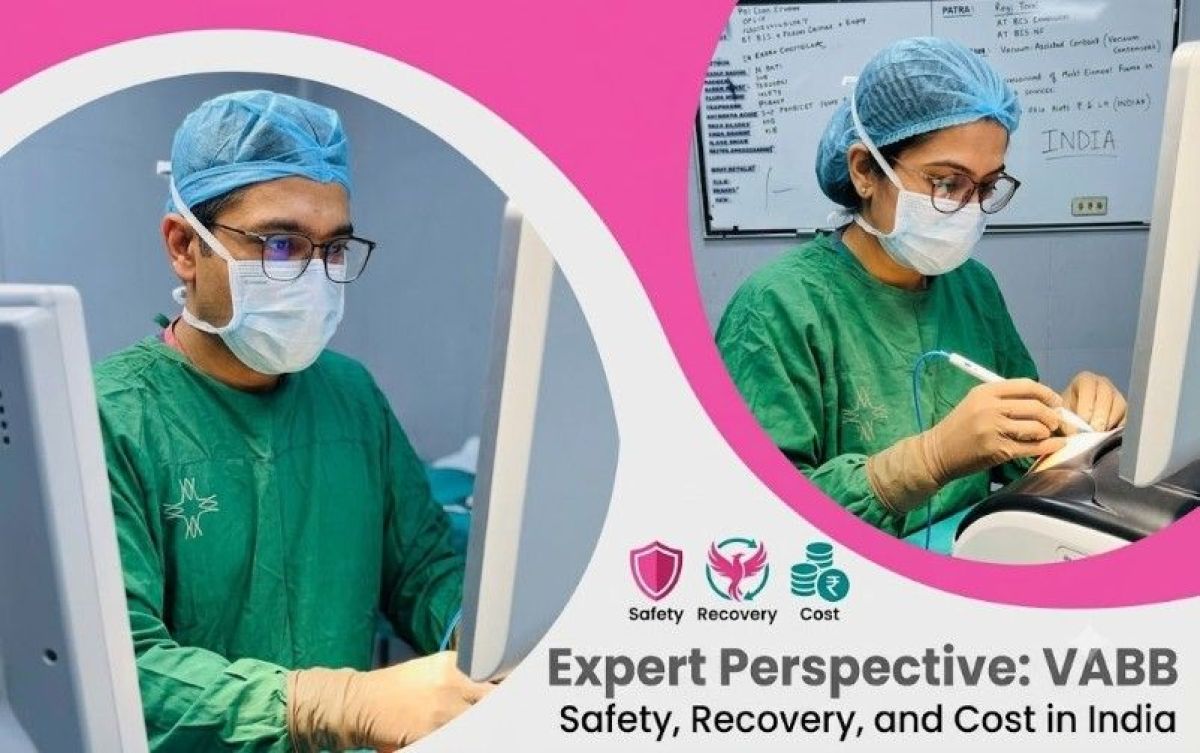
This procedure uses a specialized probe connected to a vacuum device to remove breast tissue through a very small incision, guided by ultrasound or mammographic imaging. Unlike traditional open surgery, it does not require a large cut or general anesthesia in most cases, making it an attractive option for patients with benign lumps who want an effective yet less invasive solution.
One of the most common applications of this technique is vacuum assisted excision fibroadenoma, where a benign fibroadenoma is removed using the vacuum device rather than conventional surgical excision. Since fibroadenomas are among the most frequently diagnosed benign breast lumps in younger women, this approach has become increasingly popular.
Understanding The Procedure In Detail
The technique used for vacuum assisted excision for fibroadenoma typically involves local anesthesia, real time imaging guidance and a small probe inserted through a tiny skin opening, usually a few millimeters in size. The lump is then broken down and suctioned out through the probe. Because the incision is so small, there is often little to no visible scarring once healing is complete, which is a significant benefit for patients concerned about cosmetic outcomes.
For patients specifically undergoing vacuum assisted removal of breast fibroadenoma, the entire procedure is usually completed within an hour, and most people can return home the same day.
Is It Safe
A common and reasonable question patients ask is whether is vacuum assisted breast surgery safe for routine use. When performed by an experienced specialist using proper imaging guidance, this technique has a strong safety profile with low rates of complications such as infection or bleeding. As with any procedure, appropriate patient selection is important, and not every lump is suitable for this approach. A thorough clinical evaluation, including imaging and sometimes a prior biopsy, helps determine candidacy before the procedure is scheduled.
Recovery Timeline
Patients often want clarity on recovery time after vacuum assisted breast surgery before deciding to proceed. Most individuals experience mild soreness or bruising for a few days, with normal daily activities resuming within 24 to 48 hours. Strenuous exercise and heavy lifting are usually restricted for one to two weeks to allow proper healing. Compared to traditional surgical excision, which often involves a longer recovery period and more noticeable scarring, this minimally invasive alternative offers a considerably shorter downtime.
Cost Considerations In India
Understanding vacuum assisted breast surgery cost in India is an important part of the decision making process for many patients. Costs can vary depending on the clinic, the complexity of the lump being removed, imaging requirements and geographic location. Generally speaking, this procedure tends to be comparable to or sometimes more cost effective than traditional surgical removal when factoring in shorter recovery time, reduced need for extended hospital stays and minimal scarring related follow up care. Patients are encouraged to discuss detailed cost breakdowns directly with their treating clinic to get an accurate estimate based on their specific case.
Access In Delhi And The National Capital Region
Availability of this technique has expanded significantly, with vacuum assisted breast surgery in Delhi now offered at several specialized breast care clinics. Patients across the region no longer need to search far to find qualified providers offering this option, and many clinics now integrate this procedure into a broader, comprehensive approach to benign breast disease management.
For patients seeking the best breast surgeon for VAB in Delhi NCR, it is worth prioritizing a specialist who has significant experience specifically with breast procedures, rather than a general surgeon who occasionally performs the technique. Experience with breast specific imaging and tissue handling contributes meaningfully to both safety and cosmetic outcomes.
Choosing The Right Clinic
When researching top breast clinics for VAE in India, patients should consider factors such as the availability of on site imaging, the qualifications and dedicated breast surgery experience of the treating doctor, patient reviews and outcomes, and the clinic's approach to follow up care after the procedure. Dr. Rohan Khandelwal, through his practice and the resources available at breasthealth.in, offers patients a structured, transparent approach to evaluating whether this technique is the right choice for their specific condition.
A Patient Centered Approach
What sets a good breast care practice apart is not just technical skill but also the willingness to explain options clearly, answer questions honestly and involve patients in every decision about their own care. Whether a patient is considering this minimally invasive technique or exploring other treatment paths, having access to clear, evidence based information is essential to making a confident and informed choice.
To learn more about vacuum assisted breast procedures and to schedule a consultation, contact Dr. Rohan Khandelwal.
Frequently Asked Questions
Traditional surgical excision typically involves a larger incision, stitches and a longer recovery period, along with more visible scarring in many cases. The vacuum based approach uses a much smaller opening, guided in real time by imaging, allowing the lump to be removed with far less disruption to surrounding tissue. This often translates into less discomfort after the procedure, faster healing and a quicker return to normal daily activities, while still providing the tissue sample needed for pathological confirmation when required.
This approach works best for benign lumps, particularly fibroadenomas, that are of a manageable size and clearly characterized on imaging. It is not typically the first choice for lumps that show suspicious features on mammography or ultrasound, or for larger masses where complete removal through a small probe may not be feasible. A detailed evaluation by an experienced breast specialist, including appropriate imaging, is necessary to determine whether a particular lump is suitable for this technique or whether an alternative approach would be more appropriate.
Most procedures are completed within thirty minutes to an hour, depending on the size and number of lumps being removed. Patients receive local anesthesia beforehand, and the process itself, including imaging guidance and tissue removal, moves relatively quickly. Since general anesthesia is usually not required, patients avoid the additional recovery time associated with sedation, and many are able to leave the clinic within a few hours of completing the procedure, making it a convenient option for busy patients.
One of the notable benefits of this technique is minimal scarring, since the incision required is only a few millimeters in size, often smaller than the width of a standard hypodermic needle track in larger sizes. Over time, this small entry point typically fades and becomes barely noticeable. This is a significant advantage for patients who are particularly concerned about cosmetic outcomes, especially when compared to the more visible scarring that can result from traditional open surgical excision.
Coverage varies depending on the specific insurance policy and provider. Some insurers classify this as a day care procedure and provide coverage similar to other minor surgical interventions, while others may have specific exclusions or requirements. Patients are advised to check directly with their insurance provider regarding coverage details, and clinics offering this procedure can often assist by providing the necessary documentation and cost estimates required for insurance claims or reimbursement processes.