Fibroadenomas are among the most common benign breast lumps diagnosed in women, particularly those in their late teens, twenties and thirties. While the word tumor can cause alarm, fibroadenomas are noncancerous and, in many cases, can be managed with careful monitoring or minimally invasive treatment. This guide explains what fibroadenomas are, how they are diagnosed, and the range of treatment options available to patients today.
What Is A Fibroadenoma
A fibroadenoma is a solid, movable and typically painless lump made up of glandular and fibrous tissue. It is one of the most frequently encountered benign breast conditions and is usually discovered either through self-examination or during a routine clinical checkup. While most fibroadenomas remain stable in size, some can grow larger over time or cause discomfort, prompting patients to seek treatment.
Patients seeking Fibroadenoma Treatment in Delhi now have access to a full range of options, from simple observation to advanced minimally invasive removal techniques, depending on the size, growth pattern and symptoms associated with the lump.
Diagnosis And Evaluation
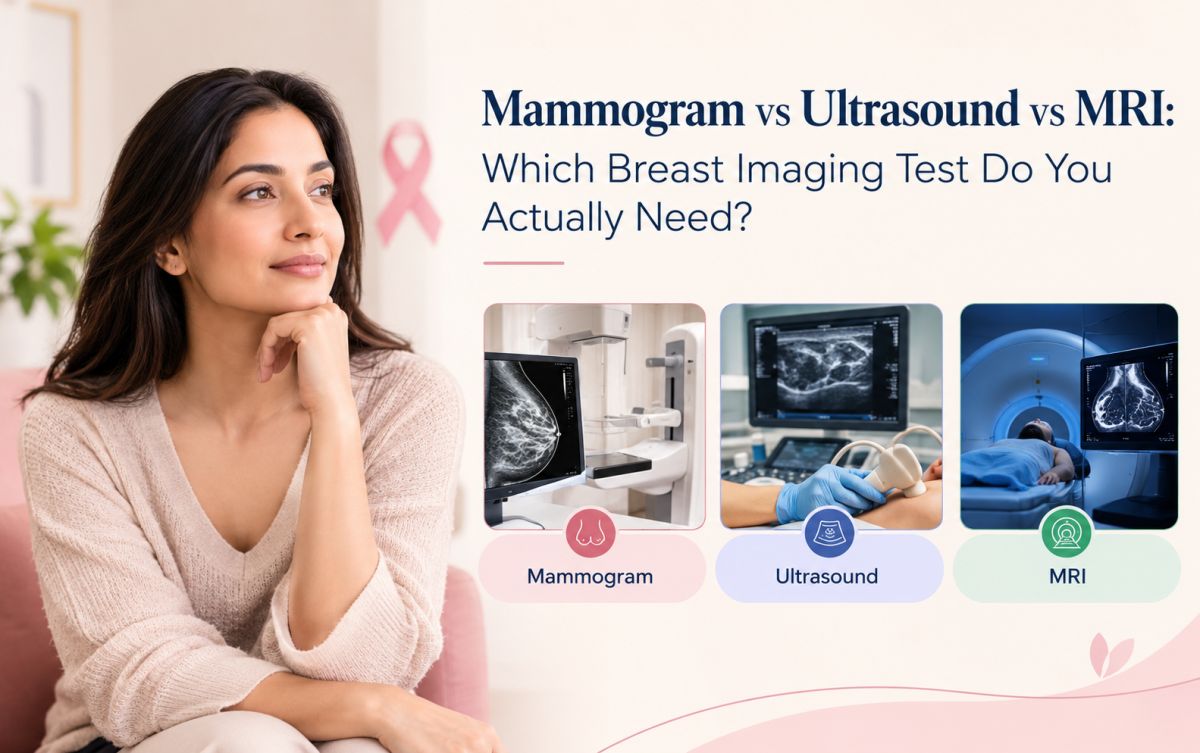
Diagnosis typically begins with a clinical breast examination, followed by imaging such as ultrasound, which is often the first choice for younger women due to denser breast tissue. In some cases, a mammogram or a needle biopsy may be recommended to confirm that the lump is indeed benign and not something requiring further investigation. Accurate diagnosis is the foundation of any effective Fibroadenoma Treatment In India, as it determines whether observation, medical management or surgical removal is the most appropriate path forward.
Supportive Approaches And Monitoring
Not every fibroadenoma requires surgical removal. For many patients, particularly those with small, stable lumps that are not causing symptoms, a program of regular monitoring combined with Fibroadenoma Supportive Therapy In India may be recommended. This approach typically involves periodic imaging to track any changes in size, along with lifestyle guidance and symptom management strategies that help patients feel confident and informed without necessarily undergoing an invasive procedure right away.
Regional Access To Care
The availability of specialized care has expanded considerably across the region. Patients seeking Fibroadenoma Treatment In Gurgaon can now access experienced specialists without needing to travel into central Delhi, while those in smaller towns and cities benefit from growing options for Fibroadenoma Treatment In Haryana. This decentralization of quality care means more women can receive timely diagnosis and treatment closer to home, reducing delays that sometimes occur when specialized care feels inaccessible.
Similarly, comprehensive Fibroadenoma Treatment In Delhi Ncr now spans a network of clinics and hospitals equipped with modern imaging and minimally invasive surgical tools, giving patients multiple convenient options depending on their location and preference.
Finding The Right Specialist
Working with experienced Fibroadenoma Specialists ensures that treatment decisions are based on sound clinical judgment rather than a generic, one size fits all approach. A good specialist will take time to review imaging thoroughly, discuss the pros and cons of each treatment path, and tailor recommendations to the individual patient's age, lump characteristics and personal preferences regarding intervention.
Dr. Rohan Khandelwal, whose practice and educational resources are available through breasthealth.in, has built a reputation for thorough, patient centered evaluation of fibroadenomas and other benign breast conditions, ensuring that every patient understands their options clearly before making a decision.
Scarless And Minimally Invasive Options
For patients who do require removal, modern techniques have made it possible to achieve excellent cosmetic outcomes. Scarless Fibroadenoma Surgery techniques, including vacuum assisted and minimally invasive approaches, allow removal of the lump through a very small opening, significantly reducing visible scarring compared to traditional open surgery. This has made treatment considerably more appealing for younger patients who are particularly conscious of cosmetic results.
Managing Discomfort
While many fibroadenomas are painless, some patients experience tenderness, particularly around their menstrual cycle. Addressing Fibroadenoma Pain Relief often involves a combination of appropriate supportive garments, anti inflammatory measures when recommended by a physician, and reassurance through proper diagnosis that the lump is benign. In cases where discomfort persists or worsens, removal may be considered even if the lump itself is small, purely for symptom relief.
Working With A Trusted Fibroadenoma Specialist
When it comes to ongoing care, continuity matters. Seeing a consistent fibroadenoma specialist for follow up imaging and evaluation allows for better tracking of any changes over time and ensures that treatment decisions remain aligned with the patient's evolving needs and preferences.
Choosing The Best Doctor For Your Needs
For many patients, finding the best doctor for fibroadenoma in Delhi comes down to a combination of clinical expertise, clear communication and a genuine commitment to patient wellbeing. Dr. Rohan Khandelwal's approach, rooted in evidence based practice and supported by the educational resources available at breasthealth.in, offers patients a reliable starting point for understanding their diagnosis and exploring the most suitable treatment path.
A fibroadenoma diagnosis, while often a source of initial worry, is generally reassuring news given the benign nature of these lumps. With the right specialist guidance, patients can make informed decisions about monitoring versus treatment, understand the full range of minimally invasive options available today, and move forward with confidence in their breast health.
Frequently Asked Questions
No, not all fibroadenomas require surgical removal. Many small, stable fibroadenomas that are not causing pain or significant changes in size can be safely monitored through periodic clinical examination and imaging. The decision to remove a fibroadenoma typically depends on factors such as its size, whether it is growing, whether it causes discomfort, and the patient's own preference regarding ongoing monitoring versus definitive removal. A thorough discussion with a qualified specialist helps determine the most appropriate course of action for each individual case.
Fibroadenomas are benign growths and the overwhelming majority do not develop into cancer. However, regular monitoring is still recommended because any lump can occasionally show changes that warrant further investigation, and it is important to confirm through appropriate imaging and, if needed, biopsy that the lump remains consistent with its original benign diagnosis. Working with a specialist who tracks these changes over time provides peace of mind and ensures that any unusual development is caught and addressed promptly.
Recovery depends largely on the technique used for removal. Minimally invasive and scarless approaches typically allow patients to resume normal activities within a day or two, with only mild soreness or bruising at the treatment site. Traditional surgical excision may involve a slightly longer recovery period, along with care for the incision site and restrictions on strenuous activity for a week or two. In both cases, follow up appointments help confirm that healing is progressing well and that no further intervention is needed.
Some fibroadenomas can cause tenderness or discomfort, particularly in relation to hormonal fluctuations during the menstrual cycle. This is a fairly common experience and does not necessarily indicate a problem with the lump itself. Management typically includes supportive measures such as properly fitted bras, over the counter pain relief when appropriate and recommended by a physician, and reassurance following confirmation that the lump remains benign. If pain becomes persistent or significantly affects daily life, removal may be discussed as an option even for smaller lumps.
Follow up frequency depends on the specific characteristics of the fibroadenoma and the recommendations of the treating specialist, but many patients are advised to have repeat imaging every six to twelve months if the lump is being monitored rather than removed. This allows the treating doctor to track any changes in size or appearance over time. Patients should also continue routine breast self examination and report any new changes promptly, rather than waiting for a scheduled follow up appointment.
To learn more about fibroadenoma diagnosis and treatment options, visit breasthealth.in and explore the resources provided by Dr. Rohan Khandelwal's practice.