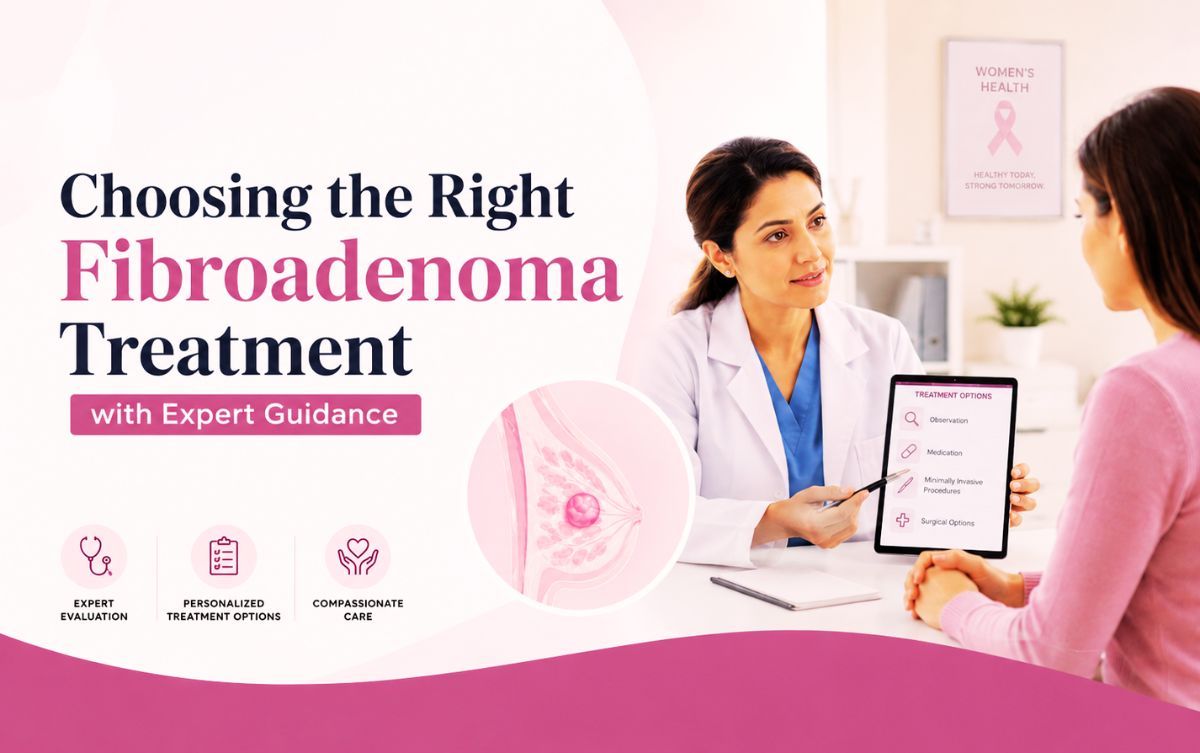
Finding a breast lump can immediately create anxiety and uncertainty. For many women, the first response is often fear, followed by overwhelming online information that happens to create more confusion than clarity. However, not every breast lump is cancerous and modern Fibroadenoma Treatments today focus on accurate diagnosis, patient education, cosmetic preservation and long-term breast health.
In specialist breast practice, fibroadenoma remains one of the most frequently diagnosed benign breast conditions among younger women. Although these growths are generally non-cancerous, they should never be ignored or self diagnosed. Every breast change deserves a timely medical evaluation because early assessment helps specialists determine the exact nature of the condition and recommend the most appropriate treatment plan.
Across Gurugram and Delhi NCR, awareness around specialised breast care has improved significantly in recent years. More women are now seeking timely consultations instead of delaying treatment due to hesitation or misinformation. Experienced breast surgeons like Dr. Rohan Khandelwal emphasise evidence-based diagnosis, structured treatment planning, minimally invasive approaches, and emotional reassurance throughout the patient journey.
Understanding The Issue
Clinically, fibroadenoma refers to a benign breast growth formed by glandular and connective tissue. This type of lump is commonly evaluated in younger women and often presents with characteristic examination findings. Understanding its basic nature is important because many women immediately begin worrying about one question: can fibroadenoma turn into cancer.
Fibroadenomas are usually recognised through certain clinical characteristics:
✔ Smooth and uniform texture
✔ Freely movable under gentle pressure
✔ Rounded or oval shape with clearly defined borders
✔ Usually painless during examination
Although these findings may strongly suggest a benign condition, diagnosis should always be confirmed through proper clinical examination and imaging rather than assumptions based on symptoms alone.
In breast consultations, some women discover the lump accidentally while bathing or dressing, while others notice mild heaviness or discomfort. Even when a lump appears clinically harmless, proper evaluation remains essential because several breast conditions can initially present in similar ways.
Quick Overview of Fibroadenoma
| Aspect | Details |
| Condition type | Benign breast lump |
| Common age group | Younger women and adolescents |
| Texture | Smooth, firm, and movable |
| Common symptoms | Lump, heaviness, mild tenderness |
| Diagnosis methods | Examination, ultrasound, biopsy |
| Treatment options | Observation or removal |
| Recovery | Usually quick with modern procedures |
Why Professional Breast Examination Is Essential
One of the most commonly observed concerns in breast practice is the tendency to ignore painless breast lumps under the assumption that they are harmless. While fibroadenomas are usually benign tissue growths, only proper medical evaluation can confirm the diagnosis accurately.
Specialists may recommend:
✔ Clinical breast examination
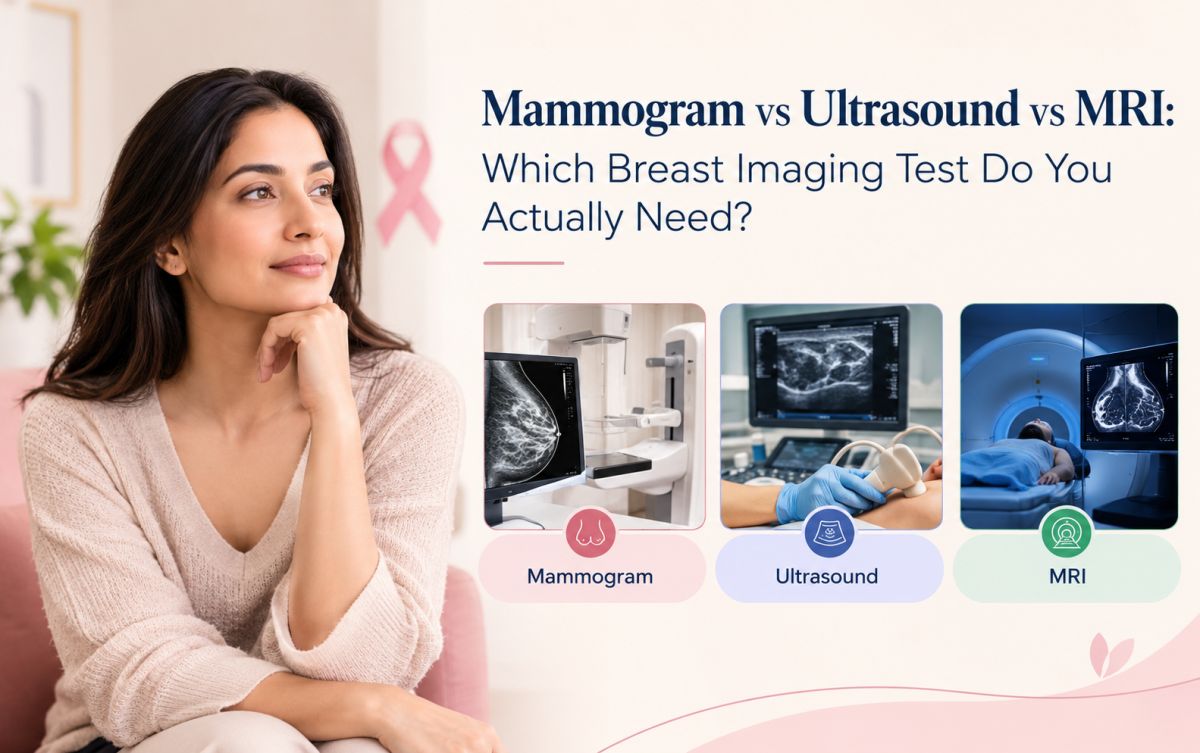
✔ Ultrasound imaging
✔ Mammography in selected age groups
✔ Needle biopsy when required
This structured evaluation helps determine the exact nature of the lump while allowing specialists to create individualised treatment plans based on age, symptoms, imaging findings, and medical history.
Although fibroadenomas are generally non-cancerous, certain rare variants or associated breast changes may still require monitoring or intervention. This is why timely specialist assessment should never be delayed.
The Emotional Impact of Breast Lumps
In clinical practice, uncertainty surrounding breast lumps is often intensified by delayed consultations, misinformation, and lack of clarity regarding diagnosis. Even when imaging strongly suggests a benign condition, many women continue feeling unsettled until they receive complete explanation and reassurance from a breast specialist.
Breast concerns can affect far more than physical health alone. They may also influence:
✔ Emotional wellbeing
✔ Body confidence
✔ Daily comfort
✔ Sleep quality and peace of mind
✔ Future health concerns
Experienced breast specialists understand that effective treatment involves more than medical procedures alone. Clear communication, patient counselling, and informed decision-making often become equally important parts of the treatment process.
Common Symptoms Women Should Watch For
Although fibroadenomas are generally harmless, certain symptoms should never be ignored:
✔ Rapid increase in lump size
✔ Persistent breast pain
✔ Multiple breast nodules
✔ Visible breast asymmetry
✔ Skin changes or nipple discharge
✔ Constant discomfort during daily activities
Early consultation allows specialists to evaluate these changes properly while preventing unnecessary panic and delays in treatment.
Can Fibroadenoma Be Managed Without Surgery
During breast consultations, anxiety surrounding surgery is one of the most commonly discussed concerns among younger patients. Fortunately, not every fibroadenoma requires immediate removal. In carefully selected cases, small and stable lumps can often be monitored safely through periodic follow-up and imaging.
Women researching Fibroadenoma Treatment Without Surgery are often relieved to learn that conservative management may be appropriate when:
✔ The lump remains stable in size
✔ Imaging findings clearly appear benign
✔ There is no significant pain or cosmetic concern
✔ The patient is comfortable with regular monitoring
This approach allows specialists to avoid unnecessary procedures while maintaining structured breast health surveillance.
Overview of Treatment Planning
| Situation | Possible Recommendation |
| Small stable lump | Regular monitoring |
| Mild symptoms | Observation and follow-up |
| Rapidly growing lump | Further investigation |
| Persistent pain | Surgical consideration |
| Cosmetic concern | Lump removal |
| Multiple nodules | Individualised management |
When Surgery Becomes Necessary
There are situations where specialists may advise surgical removal of the lump. Treatment recommendations are typically based on factors such as lump size, imaging characteristics, symptom severity, growth pattern, cosmetic concerns, and patient comfort.
Surgery may be recommended if:
✔ The lump grows rapidly
✔ Imaging findings remain unclear
✔ Pain affects quality of life
✔ Cosmetic distortion develops
✔ Anxiety persists despite reassurance
✔ The lump becomes unusually large
Modern Fibroadenoma Of Breast Surgery has evolved considerably over the years. Current techniques focus on surgical precision, cosmetic preservation, faster healing, and minimal disruption to natural breast contour.
Many hospitals now also offer same day breast lump removal procedures, allowing patients to return home comfortably without prolonged hospital admission.
Understanding Cosmetic Concerns
Among younger patients, concerns regarding visible scarring and breast appearance are extremely common during consultation. Questions related to cosmetic healing and long-term breast shape often become important parts of treatment discussions.
Concerns regarding Fibroadenoma Removal Scar should always be discussed openly before surgery. Modern breast surgery techniques are designed to:
✔ Place incisions strategically
✔ Preserve natural breast contour
✔ Minimise visible scarring
✔ Reduce tissue trauma
✔ Support smoother healing
Scar appearance can vary depending on skin type, healing response, lump size, and surgical technique. However, with experienced breast surgeons, cosmetic outcomes today are significantly better than many patients initially expect.
Advances in Modern Breast Procedures
Breast surgery has advanced considerably in recent years. Traditional procedures that once required larger incisions and longer recovery periods have gradually been replaced with more patient-friendly approaches.
Many women today prefer minimally invasive breast surgery India options because they may offer:
✔ Smaller incisions
✔ Faster recovery
✔ Reduced discomfort
✔ Better cosmetic healing
✔ Minimal disruption to daily routine
Not every patient requires minimally invasive treatment, but careful clinical evaluation helps determine the safest and most effective approach for each individual case.
Managing Multiple Fibroadenomas
Some women may develop more than one benign breast lump over time. These nodules may appear in one breast or both simultaneously.
Multiple Fibroadenoma Treatment requires careful planning because not every lump necessarily requires removal. Specialists often monitor stable nodules while recommending surgery only for symptomatic, suspicious, or rapidly enlarging growths.
This balanced approach helps preserve healthy breast tissue while avoiding unnecessary procedures.
Why Specialist Breast Care Makes a Difference
Breast health requires focused expertise and clinical experience. Dedicated breast surgeons understand not only the medical aspects of diagnosis and treatment but also the emotionally sensitive concerns patients often experience during consultations.
Women searching for the best doctor for fibroadenoma in Delhi commonly prioritise:
✔ Experience in breast surgery
✔ Clear communication
✔ Modern treatment techniques
✔ Personalised treatment planning
✔ Compassionate patient guidance
Specialists like Dr. Rohan Khandelwal focus on helping patients make informed treatment decisions confidently instead of choosing procedures under panic or misinformation.
Modern Breast Care in Urban India
Awareness regarding breast screening and early diagnosis has grown rapidly across urban India. Women throughout Gurugram and Delhi NCR are increasingly prioritising breast health and seeking medical advice much earlier than before.
As a result, Fibroadenoma Treatment In Gurugram has become more advanced with access to:
✔ Dedicated breast clinics
✔ High-resolution imaging systems
✔ Experienced breast surgeons
✔ Cosmetic-focused surgical techniques
✔ Better recovery and support systems
This progress has encouraged more women to approach breast care with greater confidence and awareness.
Emotional Support During Treatment
The psychological burden associated with breast conditions is often underestimated. Even after being informed that the lump is benign, many women continue worrying about recurrence, future complications, or surgery.
This is why counselling and patient education remain important parts of treatment planning. Women exploring Fibroadenoma Supportive Therapy In India are often looking for:
✔ Emotional reassurance
✔ Clear medical guidance
✔ Lifestyle recommendations
✔ Structured follow-up support
✔ Better understanding of breast health
Patients who fully understand their diagnosis generally feel calmer and more confident throughout treatment and recovery.
Recovery After Treatment
According to Dr. Khandelwal, successful recovery after breast procedures depends not only on surgical precision but also on structured post-treatment care and proper healing guidance.
Women undergoing breast procedures under his care receive personalised recovery instructions based on the type of treatment performed, whether it involves biopsy, minimally invasive removal, or surgical excision. In specialist breast practice, carefully following recovery guidelines during the initial healing phase often makes a noticeable difference in comfort and recovery speed.
Suggested Post-Treatment Guidelines
✔ Rest and Physical Activity
Adequate rest during the first few days after treatment is strongly encouraged. Heavy lifting, gym workouts, and strenuous activities should be avoided until healing progresses appropriately.
✔ Breast Support
Wearing supportive and properly fitted innerwear throughout recovery is considered extremely important. Proper support helps reduce discomfort and protects healing breast tissue.
✔ Wound Care and Hygiene
Keeping the treated area clean and dry remains essential. Patients are advised to follow dressing instructions carefully and avoid self-medication or home remedies directly over the wound area.
✔ Follow-Up Appointments
Scheduled follow-up visits help specialists monitor healing progress, address concerns, and ensure recovery is proceeding normally.
✔ Warning Signs Requiring Medical Attention
Persistent redness, swelling, fever, unusual discharge, or increasing discomfort should always be reported promptly for evaluation.
With modern breast procedures and proper post-treatment guidance, recovery is often far smoother and less overwhelming than many patients initially anticipate.
Common Myths About Fibroadenoma Treatment
Misinformation surrounding breast lumps continues to delay timely consultations for many women. Some of the most commonly observed misconceptions include:
✔ Every breast lump means cancer
The majority of breast lumps evaluated clinically are found to be benign conditions.
✔ A painless lump can be ignored
Even painless lumps require proper evaluation because benign does not mean ignorable.
✔ Treatment always means major surgery
Many fibroadenomas only require monitoring and regular follow-up instead of surgical intervention.
✔ Surgery causes major physical changes
Modern breast procedures are far less invasive and more cosmetically considerate than many patients expect.
Reliable breast lump treatment should always be guided by professional medical evaluation rather than internet myths or self-medication.
Specialist-Led Breast Care Matters
Breast conditions often require far more than a routine evaluation. Experienced breast specialists understand the importance of combining accurate diagnosis, patient reassurance, cosmetic preservation, structured follow-up, and long-term breast health monitoring while creating individualised treatment plans for every patient.
Fibroadenoma remains one of the most frequently diagnosed benign breast conditions, but treatment planning should always be individualised based on symptoms, imaging findings, cosmetic concerns, growth pattern, and patient comfort.
The most important step is avoiding delays caused by fear or misinformation. Early consultation often leads to clearer answers, better treatment planning, and greater peace of mind.
Frequently Asked Questions
Fibroadenomas are commonly diagnosed as benign breast growths, particularly among younger women. However, every breast lump should still undergo proper medical evaluation to confirm the diagnosis accurately.
Based on imaging findings and clinical assessment, some fibroadenomas can be safely monitored over time without immediate intervention. In certain cases, smaller lumps may remain stable or gradually reduce in size naturally.
Modern breast procedures are designed to preserve natural breast contour as much as possible. Cosmetic-focused surgical techniques today allow better healing and minimal visible scarring in many patients.
Rapid enlargement of the lump, persistent pain, visible breast asymmetry, or ongoing discomfort are commonly evaluated more carefully because they may indicate the need for closer monitoring or surgical treatment.
Follow-up schedules usually depend on factors such as lump size, imaging findings, symptoms, age, and overall breast health assessment. Some women may only require periodic imaging, while others benefit from closer clinical observation.