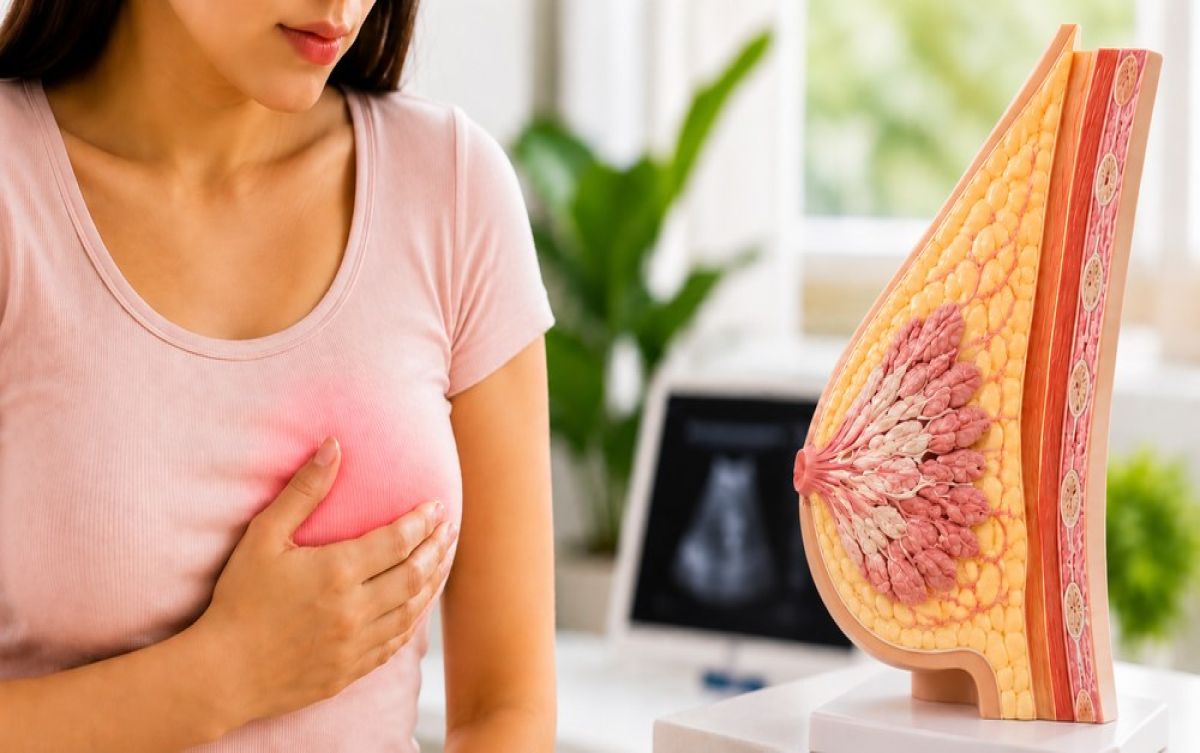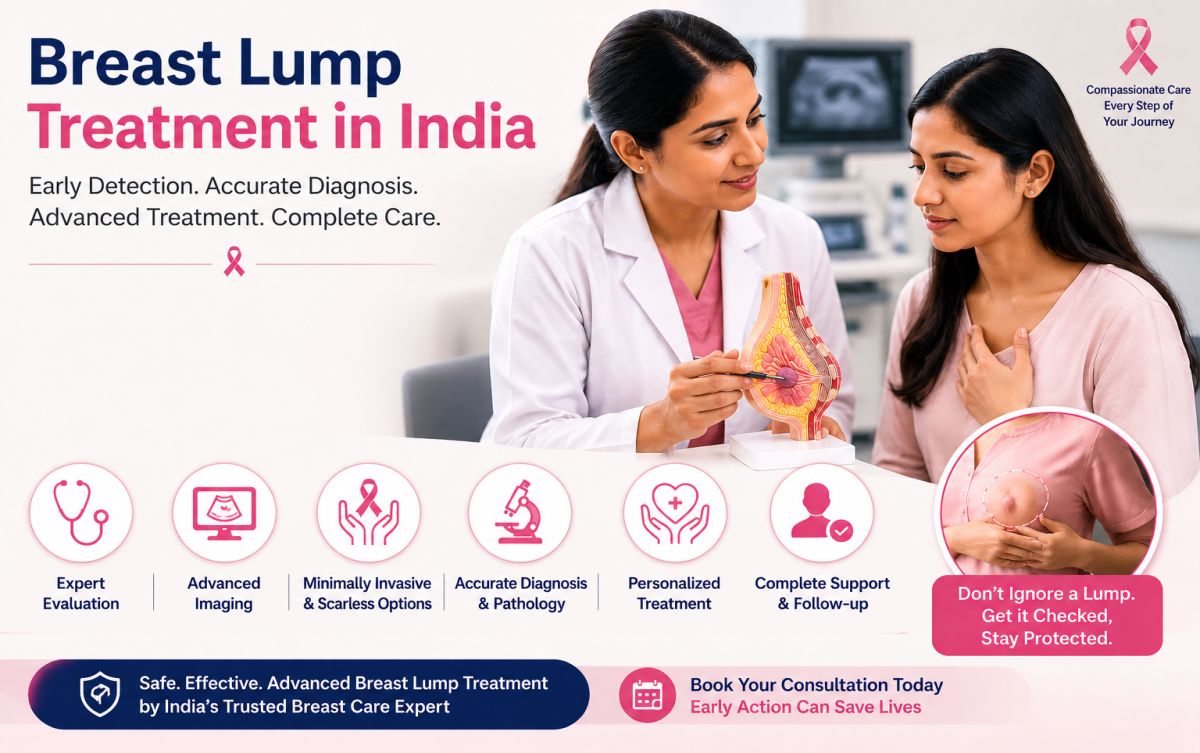
Breast pain, lumps and cysts are among the most common reasons women seek consultation with a breast specialist. While these symptoms can be a source of worry, most are benign conditions that are very manageable with the right evaluation and treatment plan. This guide explains the most common causes of these symptoms and outlines the treatment options available to patients across the region today.
Understanding Breast Pain
Breast pain, medically referred to as mastalgia, can be cyclical, often linked to hormonal fluctuations during the menstrual cycle, or noncyclical, arising from other causes such as musculoskeletal issues, cysts, or, less commonly, other underlying conditions. Patients seeking Breast Pain Treatment in Gurgaon typically undergo a clinical evaluation combined with imaging when needed, to rule out any structural cause and confirm that the pain is benign in origin.
Expanding Access Across The Region
As awareness grows, so does demand for reliable care outside major city centers. Patients now have improved access to Breast Pain Treatment in Haryana, with several clinics offering the same standard of diagnostic evaluation and treatment planning once available primarily in metropolitan hospitals. This expansion has made it considerably easier for women across smaller towns to seek timely consultation rather than delaying care due to travel constraints.
Similarly, Breast Pain Treatment In Delhi NCR now spans a broad network of specialists, allowing patients the flexibility to choose a provider based on convenience, reputation and specific clinical expertise. For patients specifically located within the city, Breast Pain Treatment In Delhi continues to offer some of the most comprehensive diagnostic and treatment resources in the region.
Evaluating A Breast Lump
Discovering a new lump can understandably cause anxiety, but the vast majority of breast lumps in women, particularly those under the age of forty, turn out to be benign conditions such as fibroadenomas or cysts. Patients searching for the Best Doctor For Breast Lump In Gurugram should prioritize a specialist with dedicated breast imaging facilities and experience distinguishing between the various types of lumps through clinical examination and targeted imaging.
For those located slightly further afield, identifying the Best Doctor For Breast Lump In Delhi Ncr involves similar considerations, namely a specialist who offers thorough evaluation, clear communication and a treatment plan tailored to the specific characteristics of the lump in question.
Breast Cysts Explained
Breast cysts are fluid filled sacs that develop within breast tissue and are extremely common, particularly in women between thirty five and fifty years of age. Most cysts are simple and benign, easily identified through ultrasound imaging. Breast Cyst Treatment often involves observation for smaller, asymptomatic cysts, while larger or symptomatic cysts may be managed through simple aspiration, a quick outpatient procedure that removes the fluid and often provides immediate relief from associated discomfort.
Nonsurgical Options
Many patients are relieved to learn that Breast Lump Treatment Without Surgery is often possible, particularly for cysts and select fibroadenomas. Aspiration, hormonal management and careful monitoring allow many patients to avoid surgical intervention altogether, reserving surgery for cases where a lump shows concerning features, continues to grow, or causes persistent symptoms despite conservative management.
Managing Cysts Effectively
When addressing Cyst In Breast Treatment, the approach typically depends on the size and symptoms associated with the cyst. Asymptomatic simple cysts often require no treatment beyond routine monitoring, while symptomatic cysts causing pain or noticeable swelling are commonly managed through aspiration under ultrasound guidance, providing quick and effective relief in most cases.
Working With Experienced Specialists
Consulting experienced Breast Cyst Specialists ensures accurate diagnosis and appropriate management, particularly since cysts can occasionally recur or present alongside other benign conditions requiring careful clinical judgment to differentiate. A specialist with dedicated experience in breast imaging and aspiration techniques can provide both accurate diagnosis and prompt symptomatic relief.
For broader concerns involving multiple or recurrent cysts, comprehensive Breast Cysts Treatment plans may include periodic monitoring schedules, symptom management strategies and, in select cases, further evaluation to rule out any less common underlying conditions.
The Value Of A Thorough Evaluation
Regardless of the specific symptom, whether pain, a new lump or a diagnosed cyst, the foundation of effective care remains a thorough clinical evaluation combined with appropriate imaging. Dr. Rohan Khandelwal's practice emphasizes exactly this approach, ensuring that patients receive an accurate diagnosis before any treatment decisions are made, and that every available option, from observation to minimally invasive procedures, is discussed clearly.
Patients can learn more about this comprehensive approach to breast health, including detailed information on symptoms, diagnostic processes and treatment pathways, by visiting breasthealth.in.
Building Confidence Through Information
One of the most important aspects of managing breast pain, lumps or cysts is reducing the anxiety that often accompanies these symptoms. Clear communication, timely diagnosis and access to reliable educational resources allow patients to feel informed and empowered throughout their care journey, rather than facing uncertainty alone.
Frequently Asked Questions
In the vast majority of cases, breast pain is not a sign of a serious underlying condition. It is very commonly linked to hormonal fluctuations during the menstrual cycle, and this type of cyclical pain typically resolves on its own or responds well to simple supportive measures such as properly fitted bras or mild pain relief. Noncyclical pain can sometimes be related to musculoskeletal issues or benign cysts. That said, any persistent, worsening or unusual pain should always be evaluated by a specialist to rule out other causes and provide appropriate reassurance or treatment.
While most breast lumps are benign, certain features warrant prompt evaluation, including a lump that feels hard, is fixed in place rather than movable, is associated with skin changes or nipple discharge, or continues to grow over a short period of time. Even when these features are not present, any new lump should be evaluated by a specialist through clinical examination and imaging to confirm its nature. Early evaluation provides peace of mind and ensures that appropriate treatment, if needed, begins without unnecessary delay.
Aspiration is a quick, minimally uncomfortable outpatient procedure in which a fine needle is used, often under ultrasound guidance, to withdraw fluid from the cyst. The procedure typically takes only a few minutes and provides immediate relief from pain or swelling associated with a larger cyst. In most cases, no anesthesia beyond a topical numbing agent is required, and patients are able to resume normal activities immediately afterward. The fluid removed may occasionally be sent for further analysis if there are any atypical features observed during the procedure.
Yes, cysts can recur, either in the same location or elsewhere in the breast tissue, particularly in women who are prone to developing multiple cysts over time. Recurrence does not necessarily indicate a problem and is often simply a feature of individual breast tissue patterns. Regular follow up and monitoring allow any recurrent cysts to be identified and managed promptly, and patients with a history of recurrent cysts may benefit from periodic imaging as part of their ongoing breast health routine.
Nonsurgical management is often appropriate for simple cysts, smaller fibroadenomas that are stable in size, and lumps that do not show any concerning features on imaging. This approach allows patients to avoid the recovery time and scarring associated with surgery while still receiving appropriate monitoring and symptom relief. Surgery is generally reserved for lumps that are growing, causing significant symptoms, showing atypical features on imaging, or in situations where the patient prefers definitive removal rather than ongoing monitoring.